

A news release from the Iowa Department of Agriculture and Land Stewardship Wednesday said that the agency and the United States Department of Agriculture (USDA) Animal and Plant Health Inspection Service (APHIS) have confirmed two positive cases of Highly Pathogenic Avian Influenza (HPAI) in Woodbury County, Iowa.
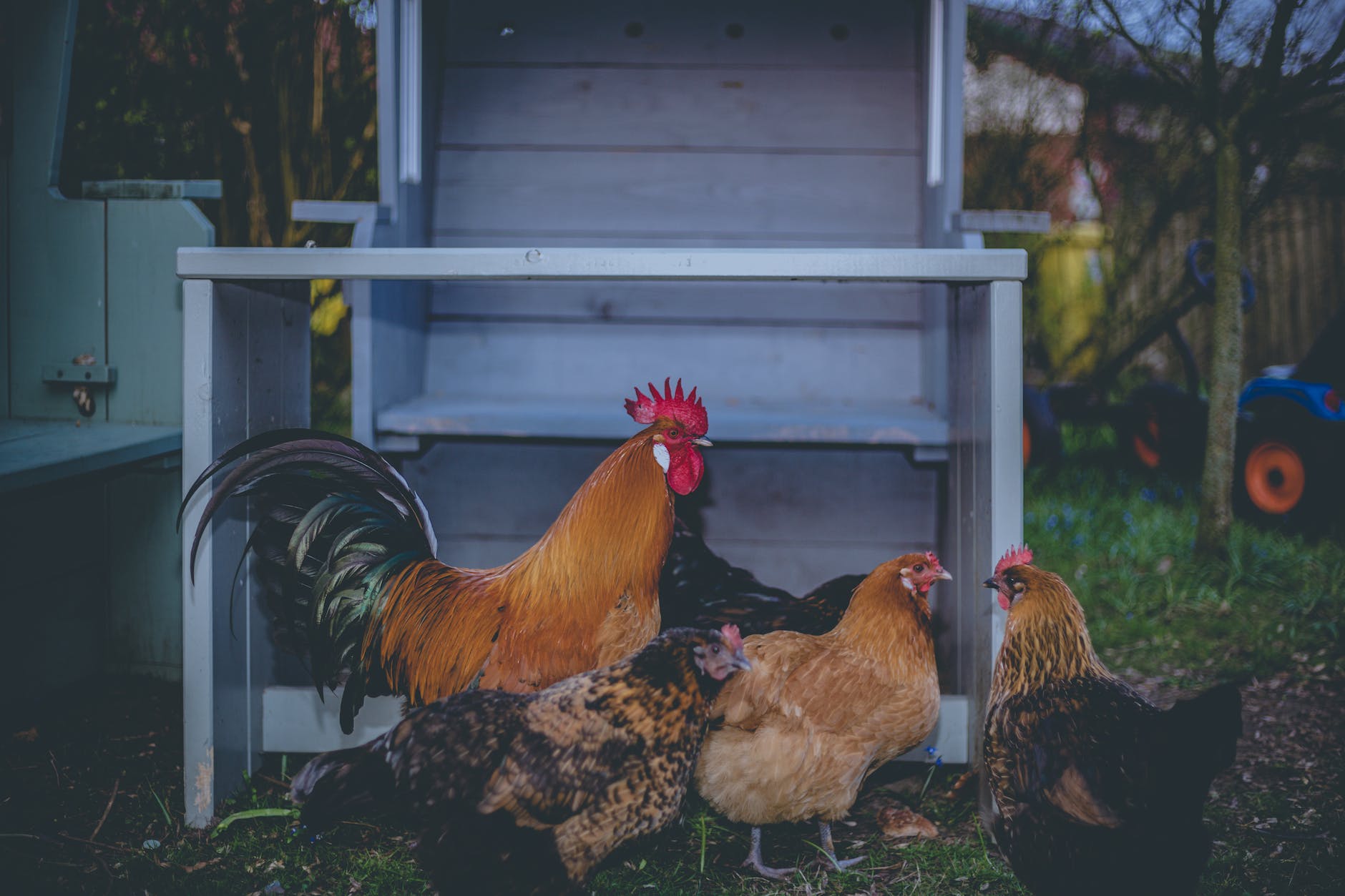
The affected sites are both backyard mixed-species flocks.
This was the second confirmed infection site of bird flu by the two agencies in the Siouxland region this month. On Nov. 23, an affected site was a flock of commercial layer chickens in Sioux County.
Commercial and backyard flock owners should prevent contact between their birds and wild birds. Sick birds or unusual deaths among birds should be immediately reported to state or federal officials. Biosecurity resources and best practices are available on the Iowa Department of Agriculture and Land Stewardship website. If producers suspect signs of HPAI in their flocks, they should contact their veterinarian immediately. Possible cases must also be reported to the Iowa Department of Agriculture and Land Stewardship at (515) 281-5305.
According to the U.S. Centers for Disease Control and Prevention, the recent HPAI detections in birds do not present a public health concern. It remains safe to eat poultry products. As a reminder, consumers should always utilize the proper handling and cooking of eggs and poultry products, including cooking to an internal temperature of 165˚F.
About HPAI
HPAI is a highly contagious viral disease affecting bird populations. HPAI can travel in wild birds without those birds appearing sick but is often fatal to domestic bird populations, including chickens and turkeys. The virus can spread through the droppings or the nasal discharge of an infected bird, both of which can contaminate dust and soil.
Signs of HPAI may include:
• Sudden increase in bird deaths without any clinical signs
• Lethargy and/or lack of energy and appetite
• Decrease in egg production
• Soft, thin-shelled and/or misshapen eggs
• Swelling of the head, eyelids, comb, wattles, and hocks
• Purple/blue discoloration of the wattles, comb, and legs
• Difficulty breathing
• Coughing, sneezing, and/or nasal discharge (runny nose)
• Stumbling and/or falling down
• Diarrhea
For additional information on HPAI, please visit the Iowa Department of Agriculture and Land Stewardship’s website.
 The Siouxland Observer