
Sticky post

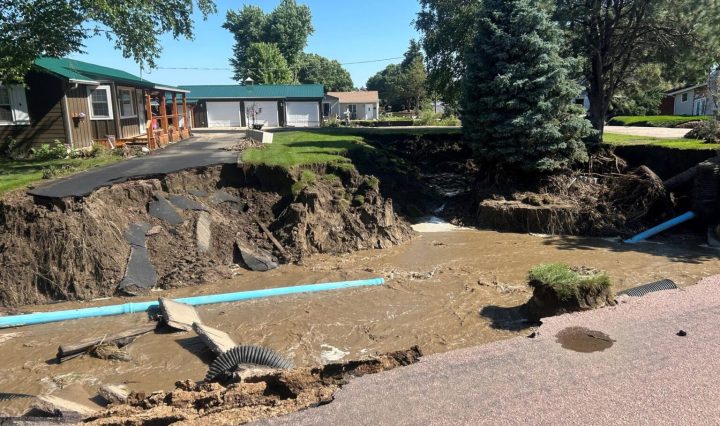
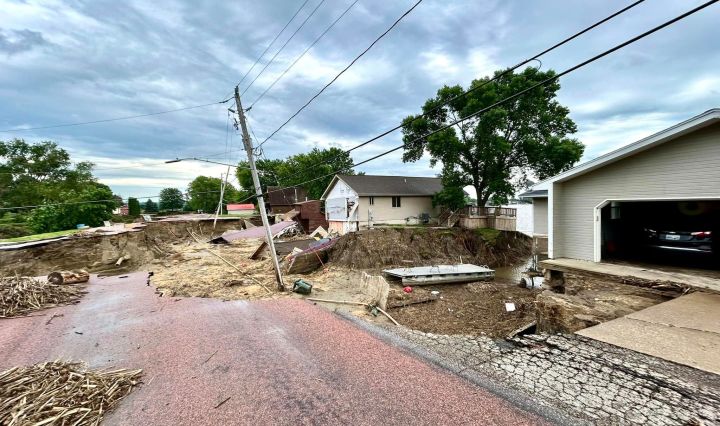
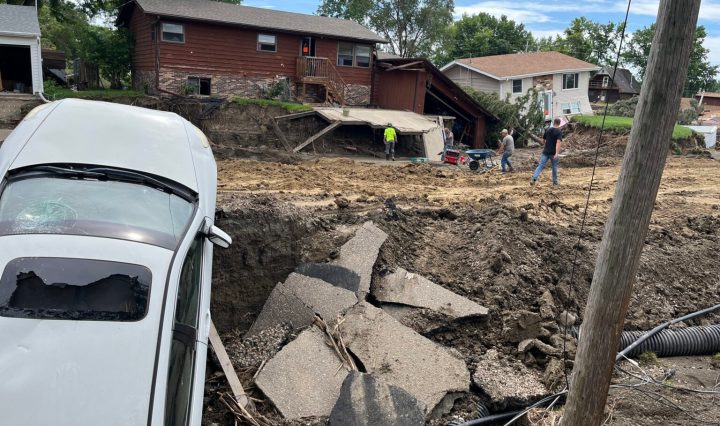
State’s bill for 2024 flood response and recovery is $3.5 million, officials say

In the wake of the June 2024 flooding in South Dakota, recovery costs are estimated at nearly $3.5 million. The state seeks $5 million from the legislature to cover expenses, with FEMA contributing $2.9 million toward community recovery efforts, highlighting ongoing disaster response challenges. Continue reading State’s bill for 2024 flood response and recovery is $3.5 million, officials say

Sticky post

Change is ‘eminent’: Property-rights fight transforms this year’s SD Legislature

In South Dakota, opposition to a carbon dioxide pipeline led to significant political changes. Legislators who supported the contested pipeline legislation were ousted, and new leadership aimed to address landowners’ concerns. Voters rejected a related bill, highlighting growing grassroots mobilization focused on property rights and the potential misuse of eminent domain for pipeline projects. Continue reading Change is ‘eminent’: Property-rights fight transforms this year’s SD Legislature

Sticky post

New report shows 10 years of agriculture spills into Iowa waterways

A report by Food and Water Watch analyzed nearly 200 manure spills in Iowa between 2013 and 2023, highlighting northwest Iowa’s high spill concentration linked to animal feeding operations. It urged stricter regulations, citing inadequate enforcement and underreporting of incidents. The report calls for more accountability for corporate polluters in Iowa. Continue reading New report shows 10 years of agriculture spills into Iowa waterways

24 attorneys general challenge California regulation on big trucks

Twenty-four Republican-led states, led by Nebraska’s Attorney General Mike Hilgers, are urging the EPA to reject California’s request for stricter truck emissions regulations, claiming it overreaches and could increase costs for consumers. They argue rural areas lack infrastructure for electric vehicles and would bear the brunt of higher logistics costs. Continue reading 24 attorneys general challenge California regulation on big trucks

FEMA approves $3.5 million for Union County, which includes McCook Lake

The Federal Emergency Management Agency (FEMA) has distributed over $6 million in aid to South Dakotans after late-June storms, with Union County receiving the largest share. Many residents are facing challenges with home repairs and finding temporary housing. The U.S. Small Business Administration has also approved over $2.5 million in disaster loans. The application deadlines for both FEMA and SBA aid are approaching. Continue reading FEMA approves $3.5 million for Union County, which includes McCook Lake

McCook Lake victims still ‘in the dark,’ waiting for FEMA help nearly seven weeks after flood

Victims of the June 23 flood in McCook Lake feel abandoned by government officials, with uncertainty about federal aid. The flood destroyed 40 homes and caused infrastructure damage. South Dakota’s disaster declaration process delayed FEMA assistance. State officials defended the assessment process and contractors, while some officials expressed confidence in aid approval. Continue reading McCook Lake victims still ‘in the dark,’ waiting for FEMA help nearly seven weeks after flood

Nebraska pitched as possible destination for ‘climate migrants’

Climate change is expected to drive a mass migration from coastal areas due to rising sea levels and extreme weather. This presents an opportunity for rural Midwest communities like Nebraska to revitalize and attract new residents. Initiatives such as enhancing quality of life and promoting soil health hubs are seen as ways to prepare for potential climate migrants. Continue reading Nebraska pitched as possible destination for ‘climate migrants’

McCook Lake catastrophe shatters complacency around old flood plans

Victims, scientists, and researchers in South Dakota call for recognition of climate and land use changes following a devastating flood. The outdated flood mitigation plan led to destructive consequences in McCook Lake, highlighting the need for updated plans and infrastructure to address the increasing frequency and severity of floods. Urban development and changing river flows are contributing factors, requiring updated zoning laws and design standards to mitigate future flood hazards. Continue reading McCook Lake catastrophe shatters complacency around old flood plans

Warmer weather at Okoboji: What it means for the lakes and those who use them

The ice on Spirit Lake went out this year on March 3.

From 1944, when the record-keeping began, through 1981, the ice went out in the latter half of April about once every third or fourth year.  Since 2001, the ice has gone out in the latter half of April only once.

Looking at it another way, the ice cover on Spirt Lake has been decreasing in terms of how long it lasts each year for the past quarter-century or so.

The obvious conclusion is that the water temperatures in the Iowa Great Lakes are getting warmer, a result of ongoing global warming, which is part . . .
Continue reading Warmer weather at Okoboji: What it means for the lakes and those who use them

$8.3B in crop insurance payouts to South Dakota farmers: A cost of climate change

South Dakota farmers have received nearly $10 billion in payouts from the Federal Crop Insurance Corp. over roughly the past two decades, with payments specifically due to weather disasters rising significantly during that time.

Between 2001 and 2022, South Dakota was among the top states in the nation for receiving insurance payouts for crop losses due to weather disasters, a trend environmentalists have said reveals a hidden but rapidly rising cost of climate change that is increasing the frequency and severity of storms that damage crops.

American taxpayers have funded a large portion of the payouts, as nearly 65% of the premiums for the crop insurance program run by the U.S. Department of Agriculture are subsidized with federal funding. Continue reading $8.3B in crop insurance payouts to South Dakota farmers: A cost of climate change