
Sticky post

‘Wild places are worth fighting for’: Concern grows for receding South Dakota wetlands

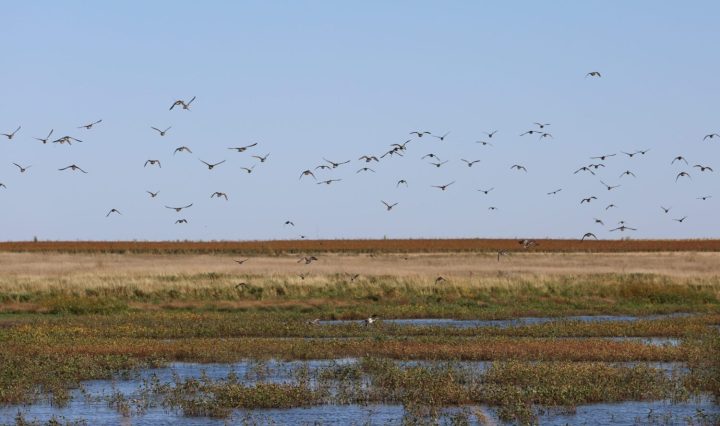
The U.S. Supreme Court ruling in Sackett v. EPA has weakened federal protections for wetlands, threatening conservation efforts and accelerating habitat loss, particularly in South Dakota. Conservationists, like John Cooper, emphasize the need to incentivize wetland preservation over agricultural expansion to combat climate change and support wildlife ecosystems essential for future generations. Continue reading ‘Wild places are worth fighting for’: Concern grows for receding South Dakota wetlands
Sticky post

Union of Concerned Scientists pushes for wetland protections in Farm Bill

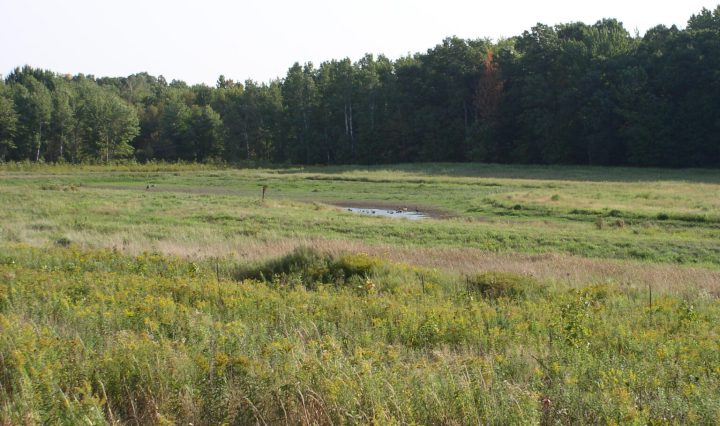
A report by the Union of Concerned Scientists highlights the critical status of wetlands in the Upper Midwest, which provide annual flood protections valued at $23 billion. It advocates for inclusion in the upcoming Farm Bill to counteract damage from industrial agriculture and recent legal challenges, ensuring wetlands’ preservation and ongoing benefits. Continue reading Union of Concerned Scientists pushes for wetland protections in Farm Bill

Iowa environmental groups seek to intervene in ‘swampbuster’ lawsuit

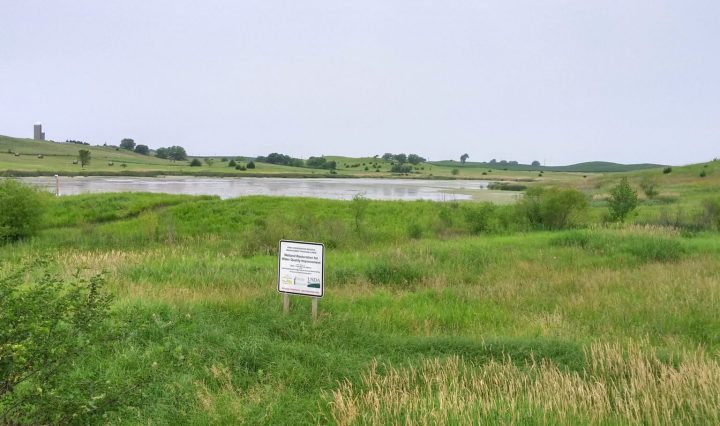
An Iowa company is challenging federal law that prevents farming on designated wetlands, claiming it imposes unconstitutional conditions for accessing USDA benefits without compensation. Sustainable agriculture groups intervene, arguing losing the law would threaten environmental preservation and exacerbate flooding and erosion issues. The case highlights critical discussions on land use and conservation. Continue reading Iowa environmental groups seek to intervene in ‘swampbuster’ lawsuit

More than half of Iowa’s tested streams and lakes are ‘impaired’

There are at least 721 water body segments in Iowa that do not meet water quality standards for recreation, public water supplies and the protection of aquatic life, according to the state Department of Natural Resources.

The DNR has drafted its latest list of “impaired” waters that it is required to submit to the U.S. Environmental Protection Agency every two years. The list is based on data collected by the department and numerous other entities between 2020 and 2022, and it is used to guide restrictions for stream pollution for Continue reading More than half of Iowa’s tested streams and lakes are ‘impaired’